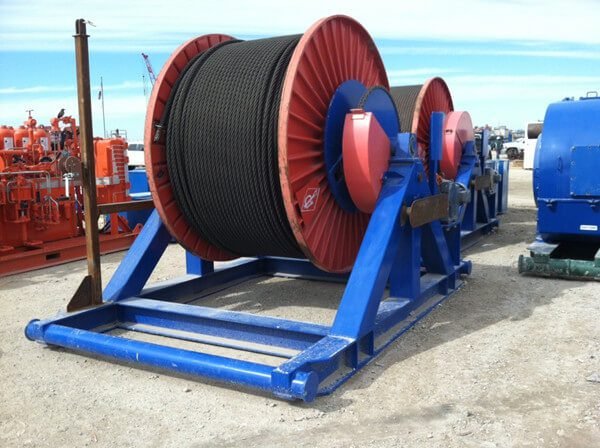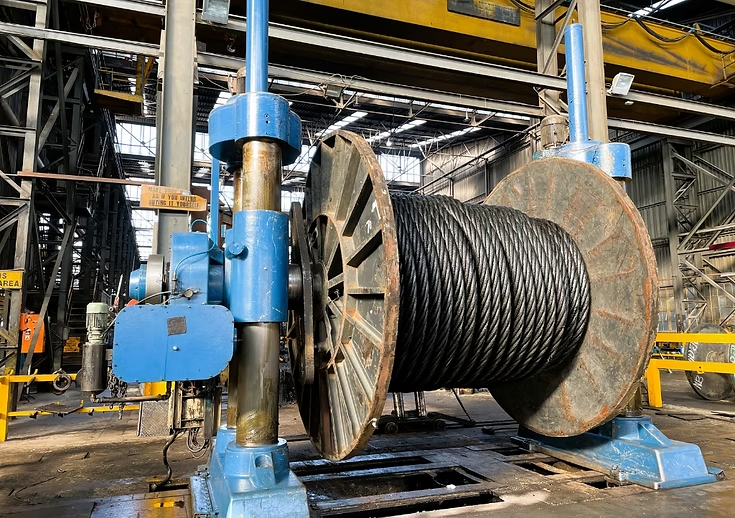
A poorly selected structural cable can increase maintenance costs, delay installation, and create safety risks. We must match every cable to its real working conditions.
We use a full locked cable when a project needs high tensile strength, low elongation, strong rotational stability, a smooth surface, and reliable corrosion protection. We select it by load, diameter, fatigue demand, environment, connections, and applicable standards.
We often receive inquiries that only include a cable diameter. However, diameter alone cannot define the correct cable. We need to understand the complete system before we recommend a construction.
What Is a Full Locked Cable?
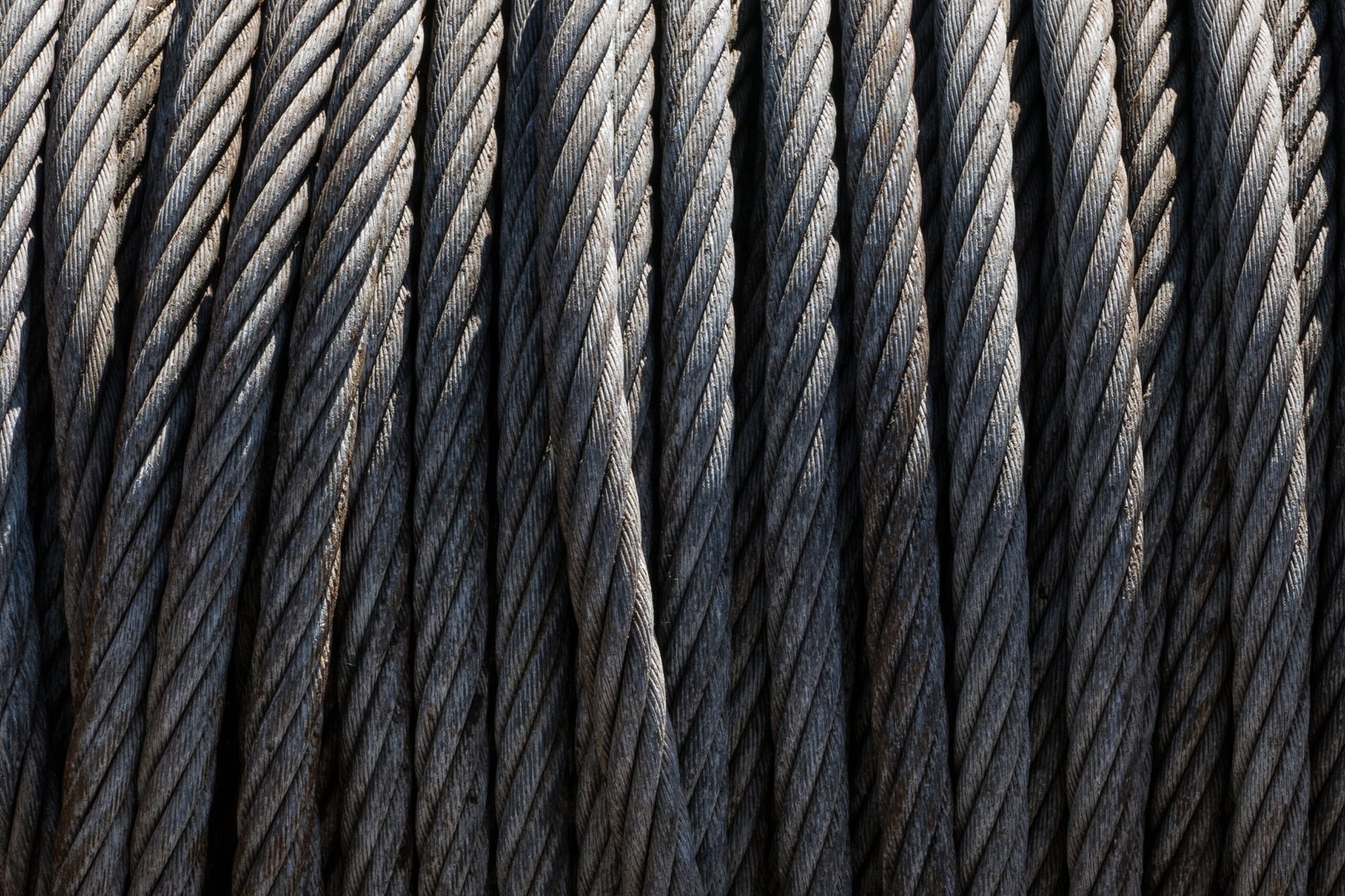
A full locked cable is different from a standard stranded wire rope. We use shaped outer wires to create a smooth, dense, and closely locked external surface.
We manufacture a full locked cable with a central core of round steel wires and outer layers of interlocking Z-shaped wires. This compact construction provides high strength, controlled stretch, rotational stability, and resistance to external contamination.
How Do We Construct a Full Locked Cable?
We begin with a central steel wire. We then place several layers of round wires around the center. These internal layers form the load-bearing body of the cable.
We place shaped wires around the inner core. The cross section of each outer wire looks similar to the letter Z. Each Z-shaped wire fits closely against the wires beside it.
The shaped wires create a nearly closed external surface. This surface has fewer open spaces than an ordinary stranded rope. The construction therefore limits the paths through which water, dust, and other contaminants can enter.
We can arrange adjacent wire layers in opposite lay directions. This arrangement helps us control torque when the cable receives tension.
Which Parts Form a Full Locked Cable?
| Cable component | Main function |
|---|---|
| Central wire | It forms the center of the cable |
| Inner round wires | They carry tensile load |
| Intermediate wire layers | They build the required diameter and strength |
| Outer Z-shaped wires | They create the locked surface |
| Metallic coating | It protects individual wires from corrosion |
| Internal blocking compound | It limits moisture movement |
| End socket | It transfers load to the structure |
We adjust the number of layers according to the required cable diameter and breaking load. We may also change the wire sizes and layer arrangement.
Why Do We Use Z-Shaped Wires?
The Z-shaped outer wires create the main difference between full locked cables and conventional spiral strands.
We use Z-shaped wires because they interlock under tension and create a compact outer layer. This layer improves surface smoothness, metallic area, wear resistance, and protection of the internal round wires.
How Does the Locked Surface Work?
Each outer wire connects closely with the wires on both sides. When the cable receives tension, the shaped wires press against each other.
This contact creates a locked surface. The wires cannot move as freely as the round outer wires of an open spiral strand.
The smooth surface can distribute contact pressure more evenly when the cable passes through a clamp or rests on a saddle. However, we still need to confirm the permitted pressure and bending conditions.
Does the Locked Surface Make the Cable Waterproof?
We do not describe a full locked cable as permanently waterproof. The closed surface can reduce water entry, but it cannot remove every possible entry path.
Water can enter through a damaged coating, an open cable end, a poorly sealed socket, or an exposed connection area. Condensation can also form inside some systems.
What Are the Main Advantages of Full Locked Cables?
Full locked cables combine several important mechanical and environmental properties. We often choose them when ordinary wire ropes cannot provide enough stability or protection.
Full locked cables provide a high strength-to-diameter ratio, high axial stiffness, low constructional stretch, good torque balance, strong lateral pressure resistance, a smooth surface, and multiple options for corrosion protection.
Why Can a Full Locked Cable Carry High Loads?
A full locked cable contains a large amount of steel within its external diameter. The shaped wires reduce the empty spaces between individual wires.
This compact arrangement increases the metallic cross-sectional area. It allows the cable to provide a high minimum breaking load without using an unnecessarily large diameter.
Why Does a Full Locked Cable Have Low Stretch?
The compact construction gives the cable high axial stiffness. The internal layers also settle less than the strands of many flexible wire ropes.
We can pre-stretch a cable when the project requires more stable dimensional behavior. This process applies a controlled load before final measurement or delivery.
Where Do We Use Full Locked Cables?
We use full locked cables in systems that need stable, high-capacity tension members. Each application creates different mechanical and environmental demands.
We commonly use full locked cables in bridges, stadium roofs, suspended structures, aerial tramways, mining shafts, tower stays, catwalks, and other systems that need strong and dimensionally stable cables.
How Do Bridges Use Full Locked Cables?
Bridge projects can use full locked cables as hangers, stays, wind cables, hand ropes, or other tension members.
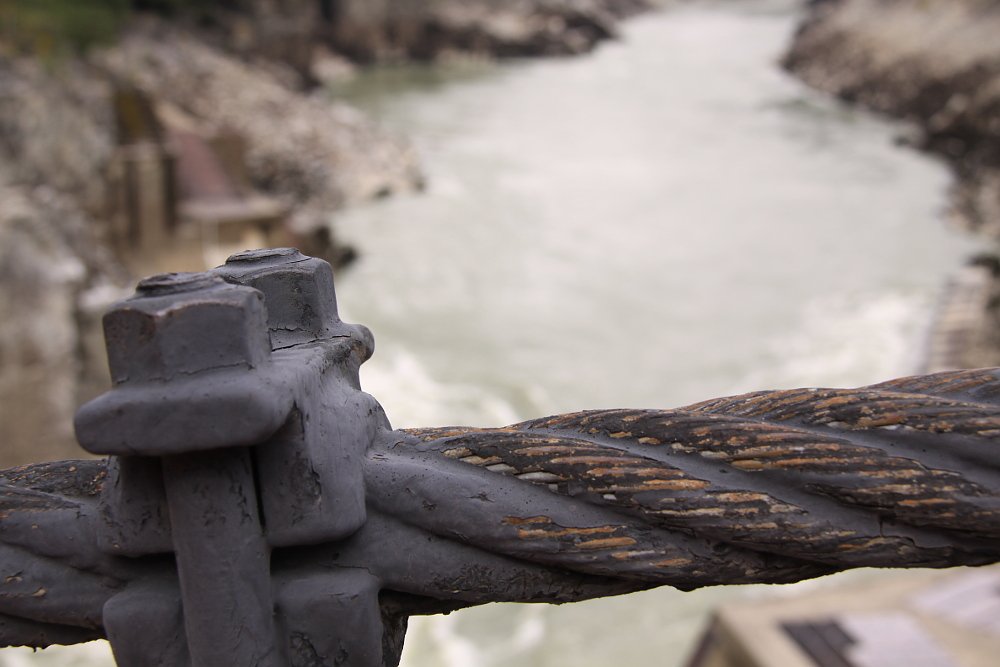
The smooth outer surface gives the structure a clean appearance. The compact construction also supports long-term outdoor use when we apply the correct corrosion-protection system.
We need to know the exact position of the cable. A main load-bearing cable does not have the same requirements as a hand rope or stabilizing cable.
We also review wind-induced vibration. A bridge cable may carry a stable average load while experiencing millions of small stress cycles. These cycles can control fatigue life.
How Do Stadium Roofs Use Full Locked Cables?
Large roofs often require long spans with limited internal support. Cable systems can transfer roof loads to masts, compression rings, foundations, or other structural members.
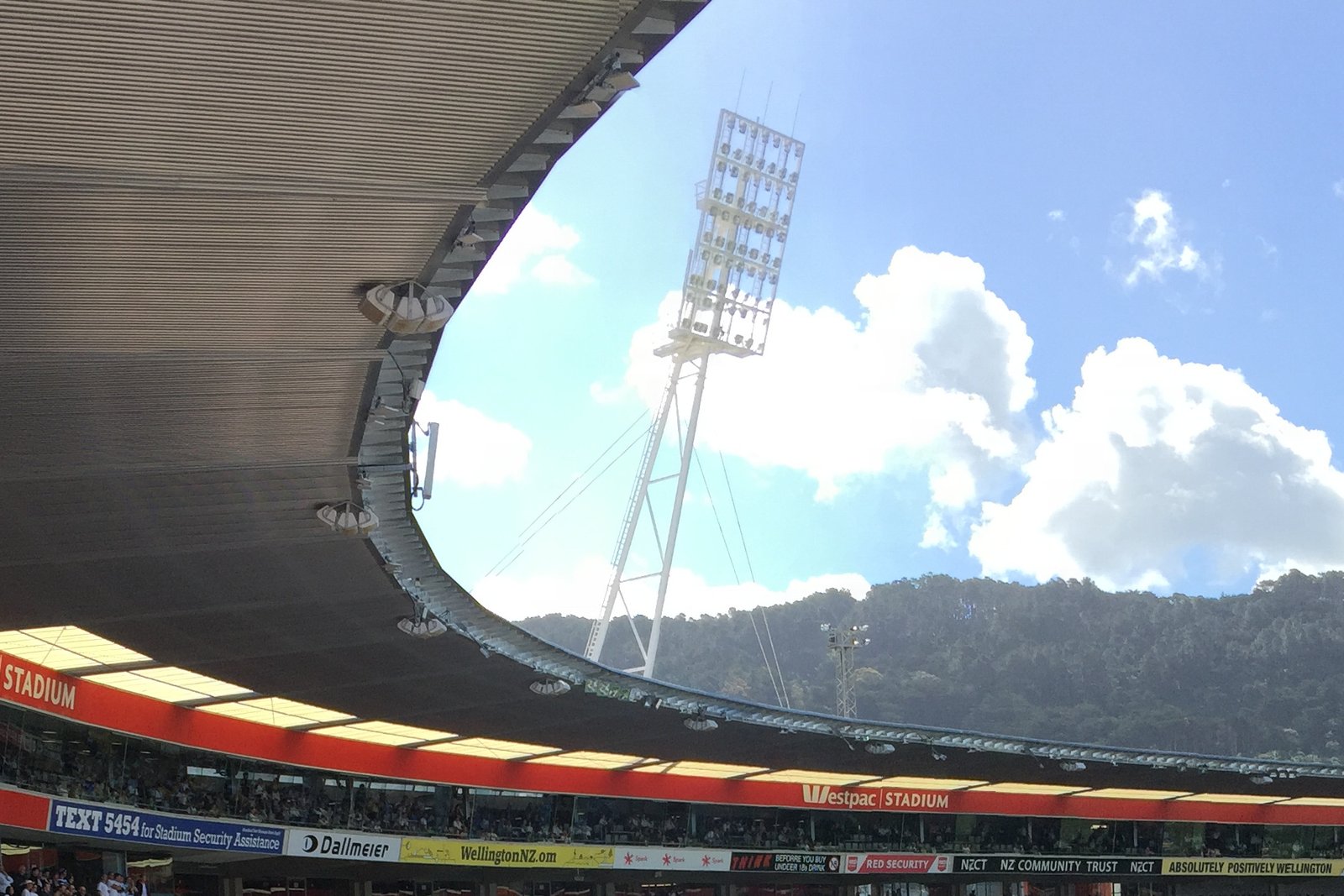
Full locked cables can work as radial cables, suspension cables, restraint cables, or tension-ring elements. Their tensile capacity allows architects to create lighter structures and more open spaces.
We pay close attention to the finished assembly length. A small dimensional difference can affect roof geometry and tension distribution.
How Do Aerial Tramways Use Locked Cables?
Aerial tramways use steel cables to support or move passenger cabins and material carriers. Some systems use locked cables because they need high capacity and a smooth surface.
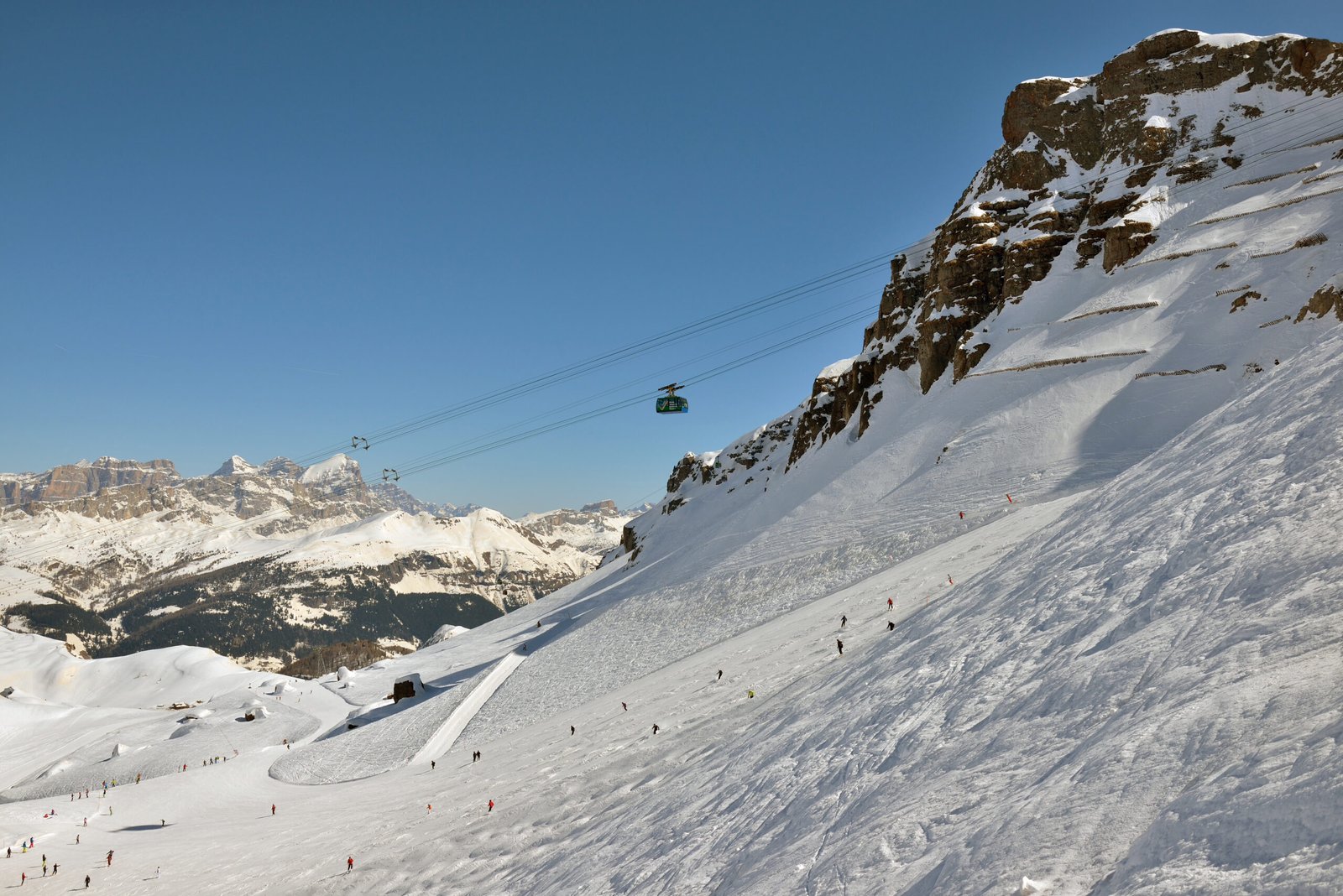
A track cable mainly supports the carrier. A haul cable moves the carrier. These two duties do not require the same cable construction.
We ask the buyer to identify the exact rope function. We also need the working tension, operating speed, sheave size, support arrangement, and bending frequency.
How Does a Full Locked Cable Resist Corrosion?
The closed surface supports corrosion protection. However, the cable still needs suitable coatings, internal compounds, protected terminations, drainage, and maintenance.
We protect full locked cables through their closed Z-wire surface, galvanized or zinc-aluminum-coated wires, internal corrosion-inhibiting compounds, and optional external sheathing. We select the system according to moisture, salt, pollution, chemicals, and service life.
Which Corrosion-Protection Options Can We Provide?
| Protection method | Main purpose |
|---|---|
| Galvanized wires | They provide a protective zinc layer |
| Zinc-aluminum-coated wires | They improve resistance in demanding exposure |
| Internal blocking compound | It fills spaces and limits moisture movement |
| External protective coating | It adds another surface barrier |
| Plastic or HDPE sheath | It separates the cable from the environment |
| Protected socket transition | It limits water entry near the termination |
We can provide galvanized and plastic-impregnated options when the application permits them.
A coastal bridge needs more protection than an indoor roof. A chemical environment may require a separate material review. A mine shaft may need protection from moisture and mechanical wear.
How Does a Full Locked Cable Compare with an Open Spiral Strand?
Both products can act as structural tension members. However, their outer wire shapes, surface conditions, metallic areas, and protection levels are different.
We normally choose a full locked cable when a project needs a compact surface, high metallic area, and stronger environmental protection. We consider an open spiral strand when an open round-wire construction meets the project requirements.
| Feature | Full locked cable | Open spiral strand |
|---|---|---|
| Outer wires | Interlocking shaped wires | Round wires |
| External surface | Smooth and closely locked | Open and visibly stranded |
| Metallic area | Usually higher | Usually lower at the same diameter |
| Corrosion barrier | Stronger external barrier | More dependent on coating |
| Production complexity | Higher | Lower |
| Typical initial cost | Usually higher | Usually lower |
We do not make this choice by price alone. The cable must meet the structural and environmental requirements.
How Do We Select the Correct Full Locked Cable?
Correct selection starts with the application. We then match the cable properties, environment, terminations, verification requirements, and installation method.
We select a full locked cable by confirming the working load, breaking load, diameter limits, length, stiffness, fatigue cycles, corrosion exposure, temperature, fittings, inspection requirements, and installation conditions.
Which Details Should Buyers Send?
| Required information | Typical description |
|---|---|
| Application | Bridge hanger or stadium roof cable |
| Nominal diameter | Required external diameter |
| Finished length | Pin center to pin center |
| Minimum breaking load | Required value in kN |
| Design load | Maximum expected working tension |
| Surface protection | Galvanized or zinc-aluminum coating |
| Termination | Open socket, closed socket, or fork |
| Testing | Breaking-load or fatigue test |
We can start a discussion without every value. However, we cannot finalize the design until the main load and connection information is confirmed.
Which End Terminations Can a Full Locked Cable Use?
The termination transfers the cable force into the supporting structure. We treat it as a critical part of the complete assembly.
We can terminate full locked cables with open sockets, closed sockets, cylindrical sockets, fork connections, or project-specific fittings. We choose the termination according to load, adjustment, available space, installation, and inspection needs.
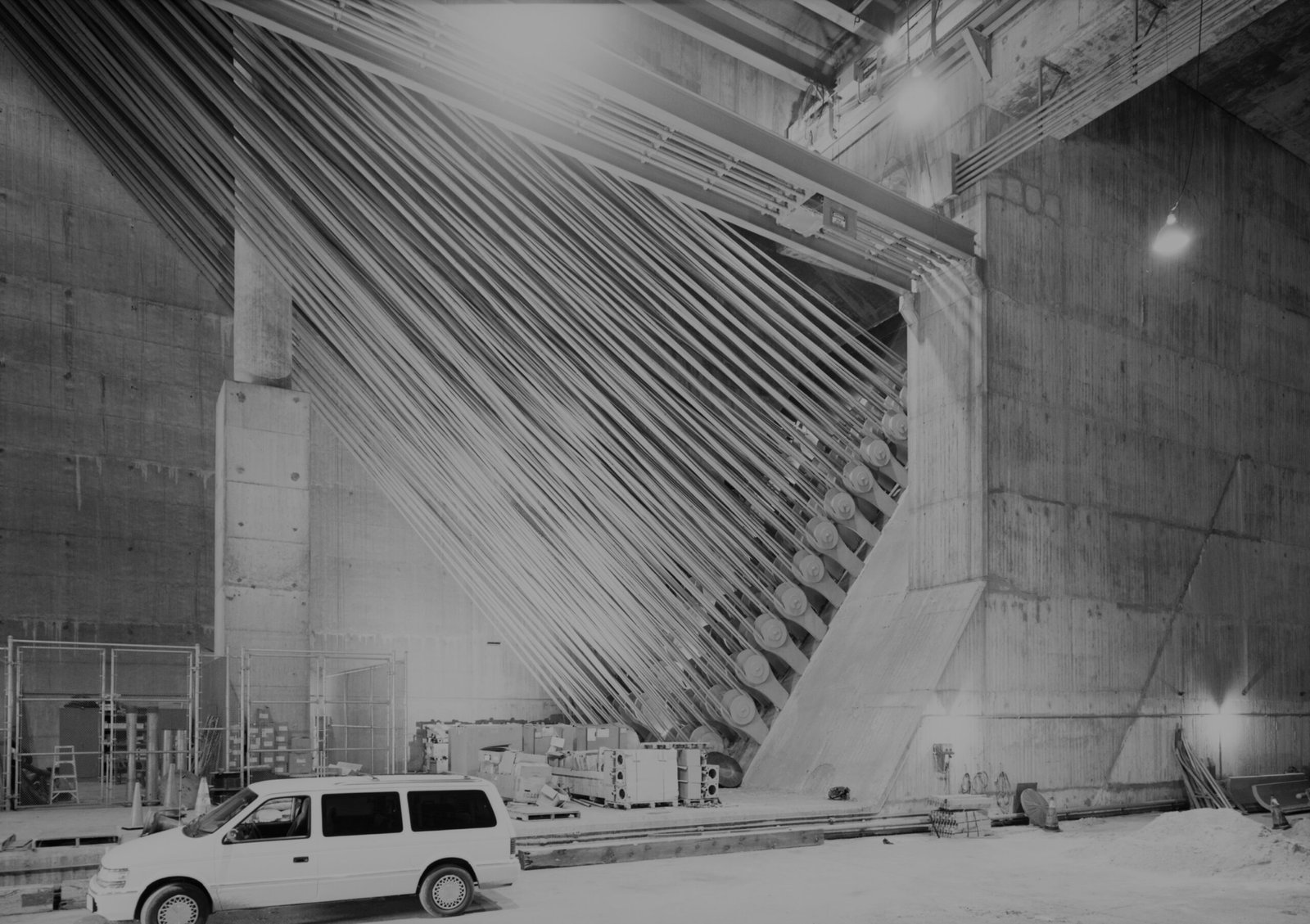
What Should We Check in a Socket?
We check the socket material, pin diameter, bearing area, internal geometry, socketing material, connection angle, and required efficiency.
We also check whether installers need to adjust the cable during erection. Some systems use threads, turnbuckles, shims, or hydraulic tensioning equipment.
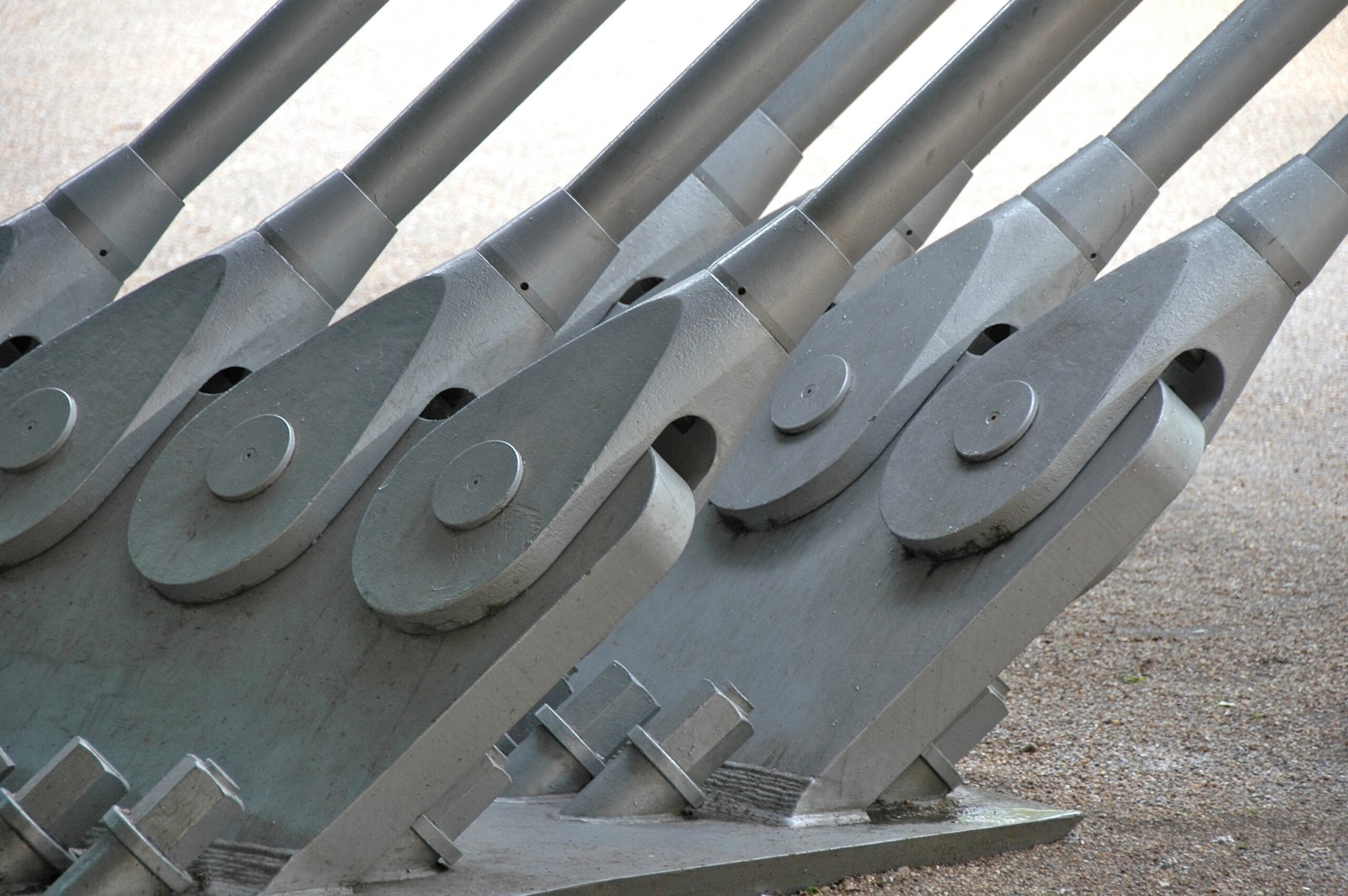
The cable-to-socket transition can experience local bending. We therefore review alignment and installation tolerances carefully.
Why Can Installation Damage a Good Cable?
A cable can leave our factory in good condition and still suffer damage during installation.
A small bending radius can deform the outer wires. Uncontrolled lifting can create kinks. Dragging can damage the metallic coating. Incorrect socket alignment can create unwanted bending stress.
How Do We Test Full Locked Cables?
Testing helps us confirm the properties required by the project. The final test program depends on the application, standard, and contract.
We can verify full locked cables through individual wire tests, dimensional inspection, coating checks, tensile tests, breaking-load tests, socket efficiency tests, and project-specific fatigue or performance tests.
| Test or inspection | What we verify |
|---|---|
| Wire tensile test | We verify individual wire strength |
| Torsion test | We check wire ductility |
| Reverse bend test | We check resistance to repeated bending |
| Coating test | We verify coating weight and adhesion |
| Diameter inspection | We check the finished cable diameter |
| Breaking-load test | We confirm tensile capacity |
| Socket efficiency test | We verify load transfer |
| Fatigue test | We evaluate repeated-load performance |
We can provide inspection documents according to the confirmed order requirements. We can also arrange BV, CE, RMRS, DNV, or ABS certification when the product and inspection scope allow it.
How Can We Extend the Service Life of a Full Locked Cable?
A long service life depends on correct design, production, transport, installation, inspection, and maintenance.
We extend cable life by protecting the surface, controlling bending and vibration, sealing vulnerable areas, maintaining drainage, checking tension, and inspecting the cable and its connections at planned intervals.
What Should an Inspector Check?
An inspector should look for broken wires, coating damage, corrosion, abrasion, deformation, loosened outer wires, and changes near the terminations.
The inspector should also check clamps, saddles, sockets, and low points. These areas can experience water collection, contact pressure, or local bending.
We recommend recording the condition during every inspection. Photographs and measurements can show whether a defect is stable or becoming worse.
What Should You Ask a Full Locked Cable Manufacturer?
A complete quotation should describe the proposed cable and assembly. A price based only on diameter and length does not provide enough information.
We recommend asking the manufacturer to confirm the construction, minimum breaking load, stiffness, coating, diameter tolerance, finished length, sockets, testing, certification, packing method, production time, and required technical documents.
We operate four production lines. We can manufacture full locked cables and specialized assemblies according to confirmed project requirements.
We can also provide galvanized protection, plastic impregnation, customized identification, and project-specific inspection documents when required.
Conclusion
We choose a full locked cable by matching its construction, strength, stiffness, corrosion protection, end fittings, testing, installation, and maintenance plan with the real application.